
Osteoarthritis Treatment in Lahore & Rawalpindi
Osteoarthritis can’t be reversed — but for most people it can be managed so well, without surgery, that daily life stops being about the pain. At PMC (Pain Management Clinic) by Dr. Waqar Ali, we treat osteoarthritis of the knee, hip, spine, and hands with the approach international guidelines rank first: targeted strengthening exercise, supported by manual therapy, advanced physiotherapy machines, and honest guidance on weight, activity, and joint care. If stiff, aching joints are limiting your walking, stairs, prayers, or sleep, start with a detailed assessment at our Lahore or Rawalpindi centers.
What is osteoarthritis?
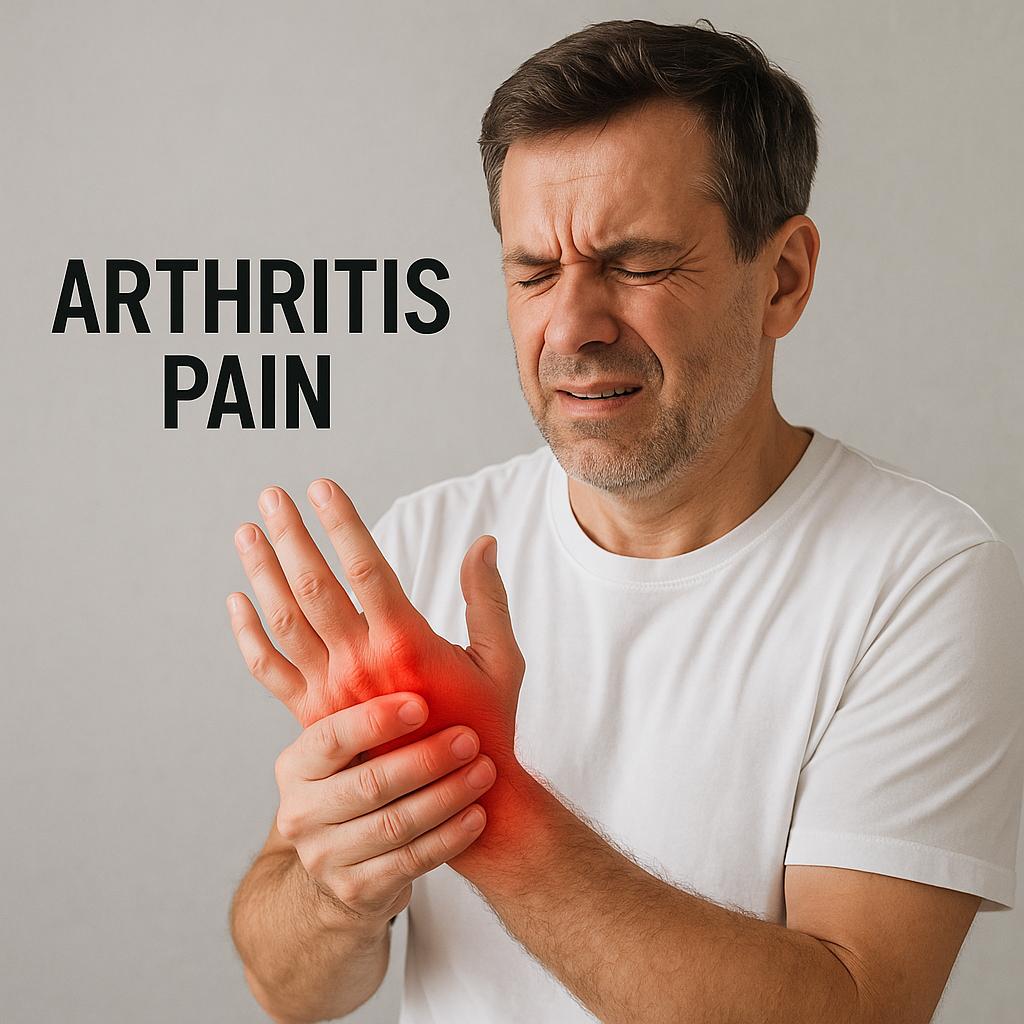
Osteoarthritis (OA) is the most common form of arthritis. It develops when the cartilage cushioning a joint gradually thins and the whole joint — bone, capsule, and surrounding muscles — changes in response, causing pain, stiffness (especially in the morning or after sitting), swelling, and sometimes a grating feeling with movement. It most often affects the knees, hips, spine, and hands.
Occasional aching after activity, brief morning stiffness, no major limits yet. This is the best time to act — strengthening now protects the joint for the decades ahead.
Regular pain with stairs, walking distances, squatting, or getting up from the floor; visible swelling or a sense of the knee “giving way.” A structured program can still substantially reduce pain and improve function — and for many patients, delay or avoid joint replacement.
Can osteoarthritis be treated without surgery?
In most cases, yes. International guidelines — including those followed by rheumatologists and orthopaedic specialists worldwide — recommend exercise therapy, education, and weight management as the first-line treatment for knee and hip osteoarthritis, ahead of injections and surgery. Clinical research consistently shows that structured strengthening programs reduce OA pain and improve function, with effects comparable to common painkillers but without the side effects. Joint replacement remains a good option for severe, end-stage arthritis — but it should be the last step, not the first, and many patients who complete a proper exercise-based program find they can postpone it for years or no longer feel they need it.
How we treat osteoarthritis at PMC
Our approach is non-surgical, guideline-based, and built around strengthening the joint’s support system — personalized to your joint, stage, and goals.
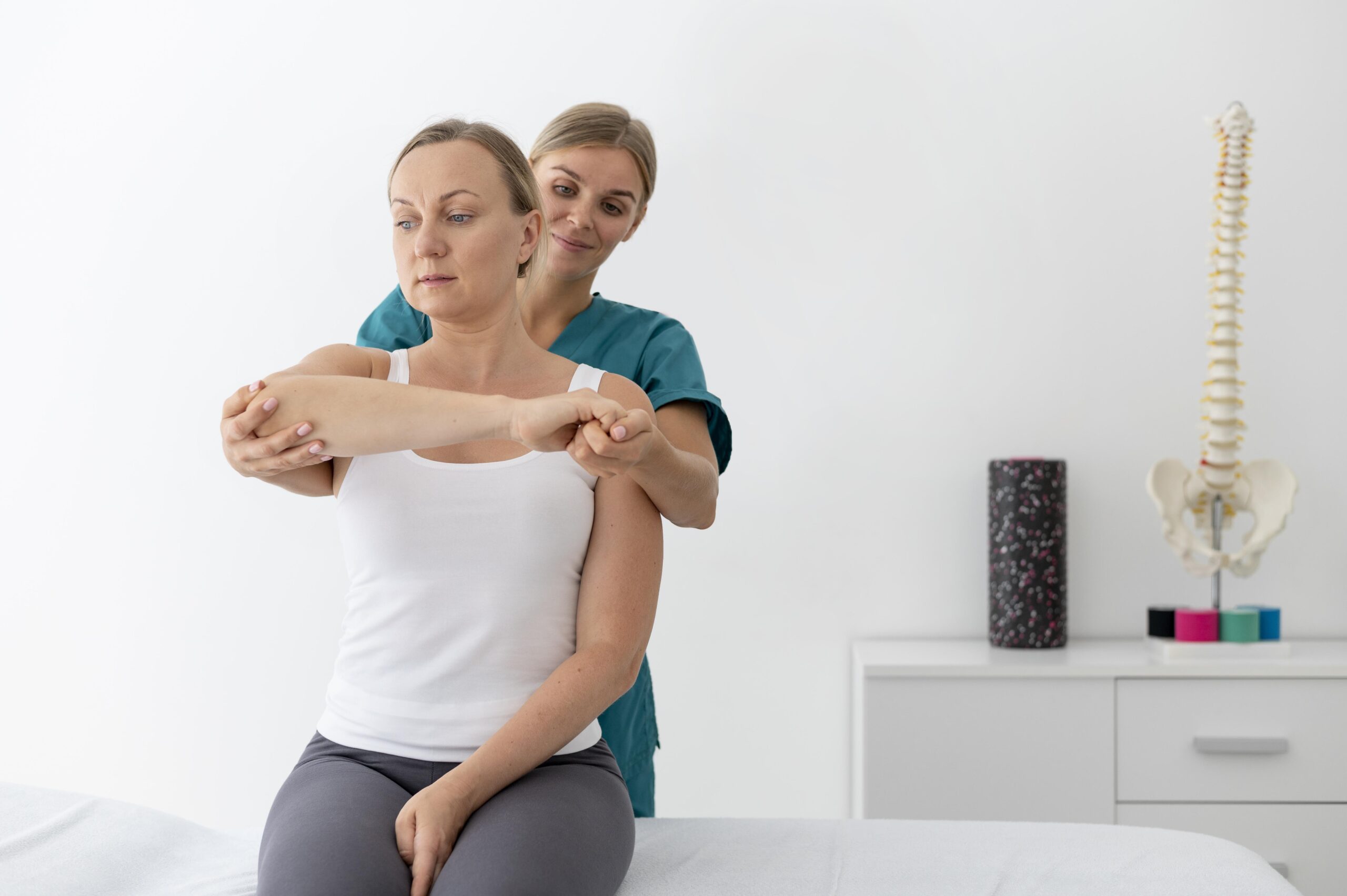
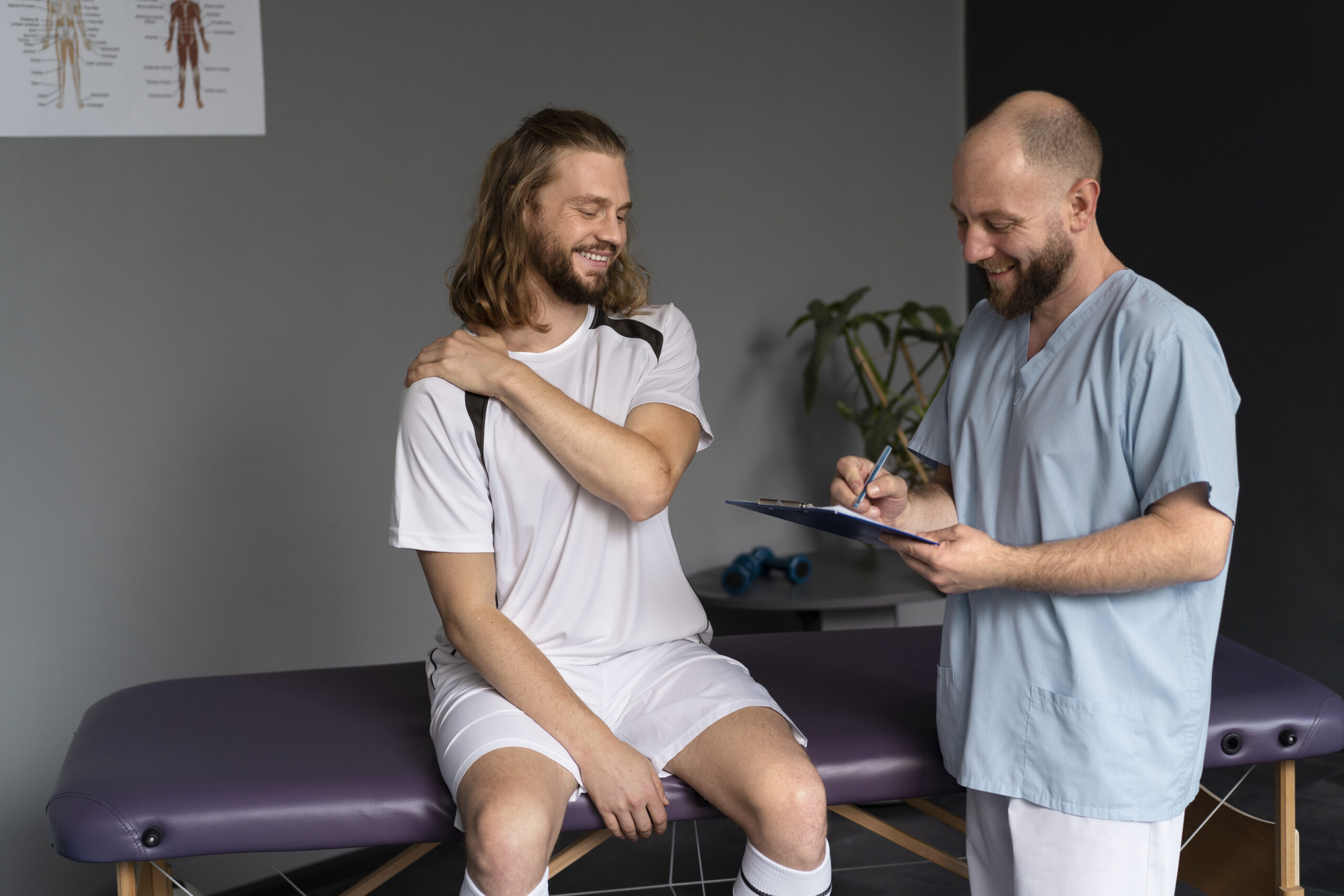
- Detailed assessment. Dr. Waqar Ali and our team assess your joint movement, muscle strength, walking pattern, and daily limitations — and distinguish osteoarthritis from other causes of joint pain that need different care.
- Settle the pain. Manual therapy, and where appropriate electrotherapy, therapeutic ultrasound, laser, and heat treatment, calm the pain and stiffness enough for you to start exercising comfortably — the machines serve the exercise program, not the other way round.
- Progressive strengthening. The heart of osteoarthritis treatment: a staged program building the thigh, hip, and core muscles that shield the joint. Stronger muscles mean less load on the cartilage — and measurably less pain.
- Mobility, balance, and daily function. We restore the movements your life actually needs — stairs, prayer positions, floor sitting and rising, walking distance — and train balance to reduce fall risk.
- Long-term plan. You leave with a sustainable home routine, realistic activity and weight guidance, and honest advice on when injections or a surgical opinion genuinely become worth discussing.
What Our Clients Say
EXCELLENT Based on 155 reviews
 Posted on Google
 NAWAZ GUJJARMeri neck k moro ka msla tha bht zada ma ne baht elaj krwaya but pain thk ni ho ri thi phr ma pmc ai yha ma kch sessions liye now I'm 💯 %recoverd totally recommendedPosted on Google
 Sad MisI had a knee and back problem. I have tried many steroid injections but it didn't work. Then I visited PMC and got my treatment. I am very satisfied with their services as within few weeks I got better. All doctors are very cooperative. Dr maimoona treated me soo well. Highly satisfied.Posted on Google
 Anam KI highly recommend Dr. Aresha! I was suffering from severe cervical issues and intense pain but her professional approach and effective therapy sessions made huge difference. She listens carefully, explains the treatment plan, and provide comfort throughout the process. Thanks to her care, my pain has reduced significantly.❤️Posted on Google
 irfan faniTo be honest they are dealing with best treatment I am curing day by day and Allhamdullillah more power to Dr Waqar Ali and Staff plzz don't waste your time by using such heavy medications they are best. Shukria.Posted on Google
 ShaheenI have a pain in my back and neck from few months bht med li ma ne but relief ni a ra tha phr ma pmc ai yha ma ne kch sessions liye ab ma kafi better hn Alhmdulillah and my doctor is so cooperative must visit to Dr Ayesha she is so professional totally recommendedPosted on Google
 Sheikh Salman InayatGood behavior good guidelines good Dr mashAllahPosted on Google
 Hamza WattooMujhe knee pain tha to mein ny Hahn se treatment karvata to Mein full recovery hoe hao PMC clinic se
Self-help tips for osteoarthritis relief at home
01
Move every day. Motion is lotion for an arthritic joint — regular walking, cycling, or swimming eases stiffness and nourishes cartilage. Start small and build gradually.
02
Strengthen your thighs. Simple sit-to-stand repetitions from a chair are one of the best-proven knee OA exercises — a few sets daily makes a real difference over weeks.
03
Manage your weight. Even 5% weight loss meaningfully reduces knee pain, because each kilogram lost removes several kilograms of load per step.
04
Use heat for stiffness. A warm pack before activity loosens a stiff joint; some prefer cold after a longer day — use what your joint responds to.
05
Pace, don’t stop. Break tasks into shorter bouts with rests instead of pushing to a flare or giving activities up entirely. Flare-ups pass — deconditioning lingers.
Ready to get your joints working for you again?
Don’t wait for the arthritis to “get bad enough for surgery” — that’s the old model. Book a detailed assessment with PMC by Dr. Waqar Ali and get a guideline-based, exercise-led plan that reduces pain now and protects your joints for the years ahead.
Lahore: +92-320-7177607 Rawalpindi: +92-312-0796089