
Lumbar Stenosis Treatment in Lahore
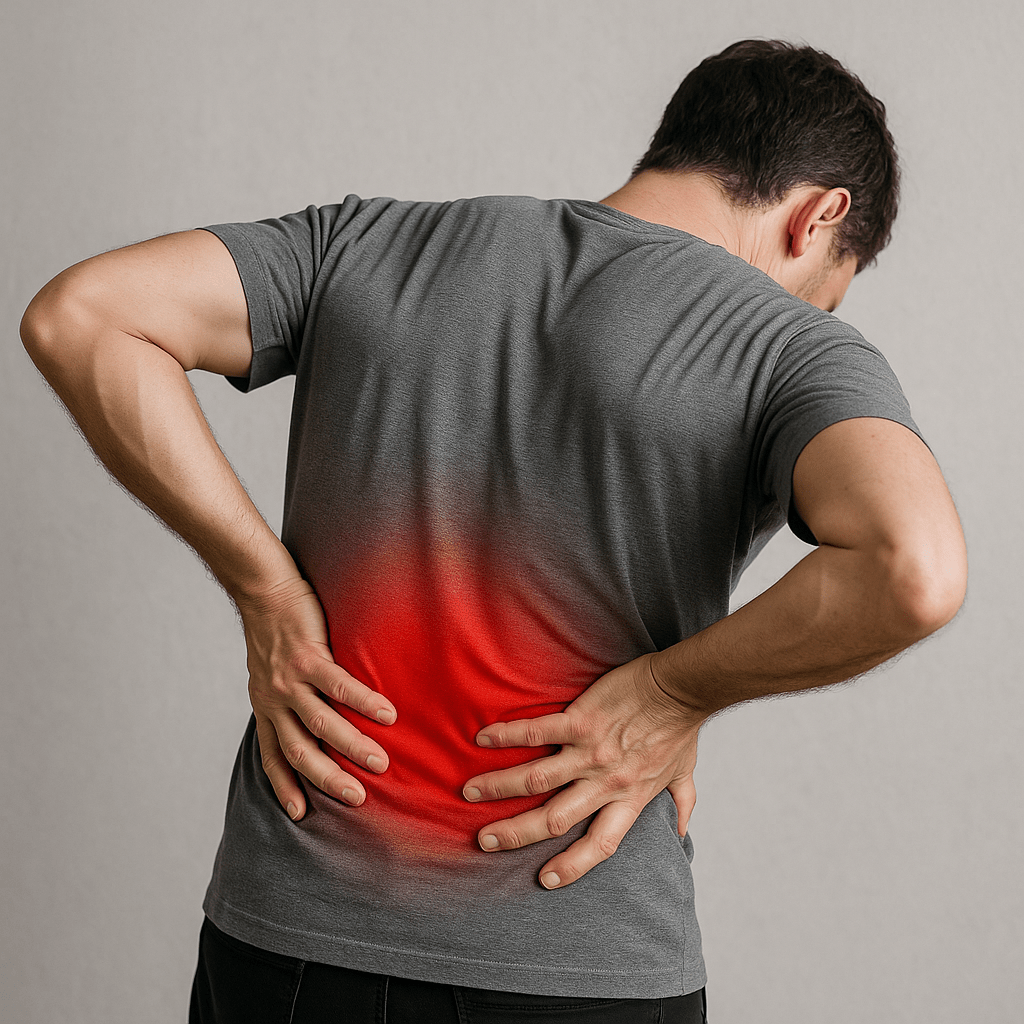
Lumbar spinal stenosis is a narrowing of the spinal canal in the lower back that presses on the nerves, causing back pain and aching, heavy or tingling legs when you stand or walk – classically relieved by sitting or leaning forward. For most mild-to-moderate cases, supervised physiotherapy is the recommended first-line treatment, and research shows it can match surgery for pain and function at two years, without the surgical risks. At PMC – Pain Management Clinic by Dr. Waqar Ali, our lumbar stenosis treatment in Lahore and Rawalpindi is built to reduce your pain, extend your walking distance and keep you independent.
What Is Lumbar Spinal Stenosis?
Lumbar spinal stenosis (LSS) is a narrowing of the spaces in the lower spine that the spinal nerves pass through. As the canal tightens, the nerves become compressed and irritated, producing symptoms in the back, buttocks and legs. It is mostly a condition of gradual wear: thickened ligaments, arthritic facet joints, bulging discs and bony growths slowly reduce the space available to the nerves, which is why it typically affects people over 50–60 and is one of the leading causes of spine-related disability in older adults.
Importantly, narrowing on a scan does not automatically mean symptoms. Many people have visible stenosis on MRI with no pain at all, which is why treatment decisions at PMC are based on how you move and function, not on the scan alone.
What Are the Symptoms of Lumbar Stenosis?
The hallmark of lumbar stenosis is a pattern doctors call neurogenic claudication:
- Aching, cramping, heaviness or pain in the buttocks, thighs or calves when standing or walking
- Symptoms that ease within minutes of sitting down or bending forward
- Walking further when leaning on a trolley, walker or motorbike handlebars
- Low back pain and stiffness, often long-standing
- Numbness or tingling running into one or both legs
- Legs that feel weak, unsteady or “not your own” after a short distance
- A gradually shrinking walking distance over months or years
Red flags needing urgent medical attention: new numbness in the saddle area (inner thighs and around the genitals), loss of bladder or bowel control, or rapidly progressive leg weakness. These can indicate cauda equina syndrome, a surgical emergency.
How Do We Treat Lumbar Stenosis at PMC?
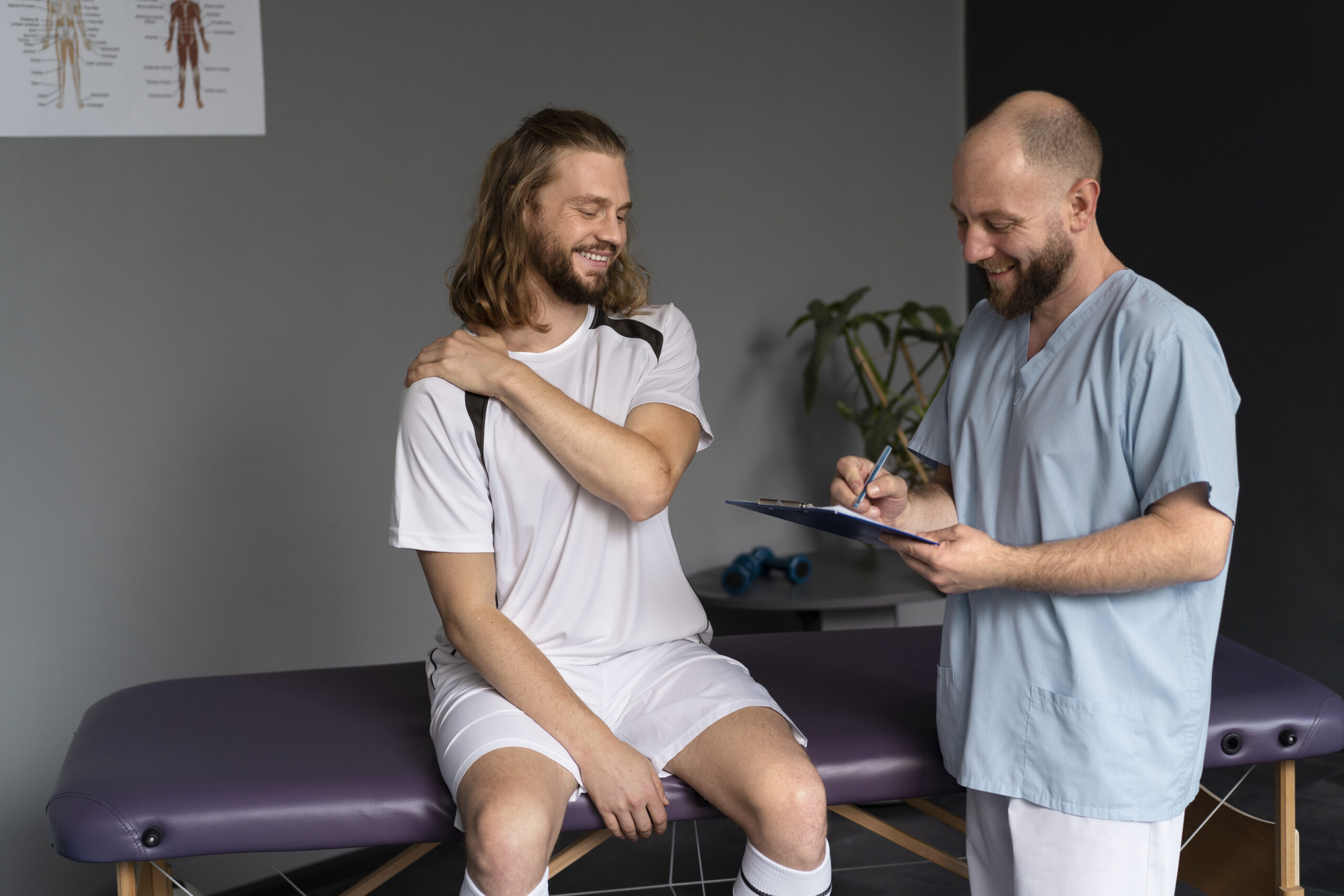
Physiotherapy cannot widen the canal itself, but it changes the things that drive your symptoms: posture, nerve mobility, muscle support and fitness. Evidence-based care at PMC may include:
- Flexion-based exercise therapy – forward-bending programmes that open the spinal canal and relieve nerve pressure; research shows most stenosis patients improve with this direction of movement.
- Core and trunk strengthening – building the deep muscles that support your lumbar spine and reduce load on the narrowed segments.
- Hip mobility and stretching – freeing stiff hips (especially into extension) and tight hip flexors and hamstrings, so your spine no longer compensates with every step.
- Supported aerobic conditioning – stationary cycling and graded walking programmes to rebuild stamina in positions your nerves tolerate.
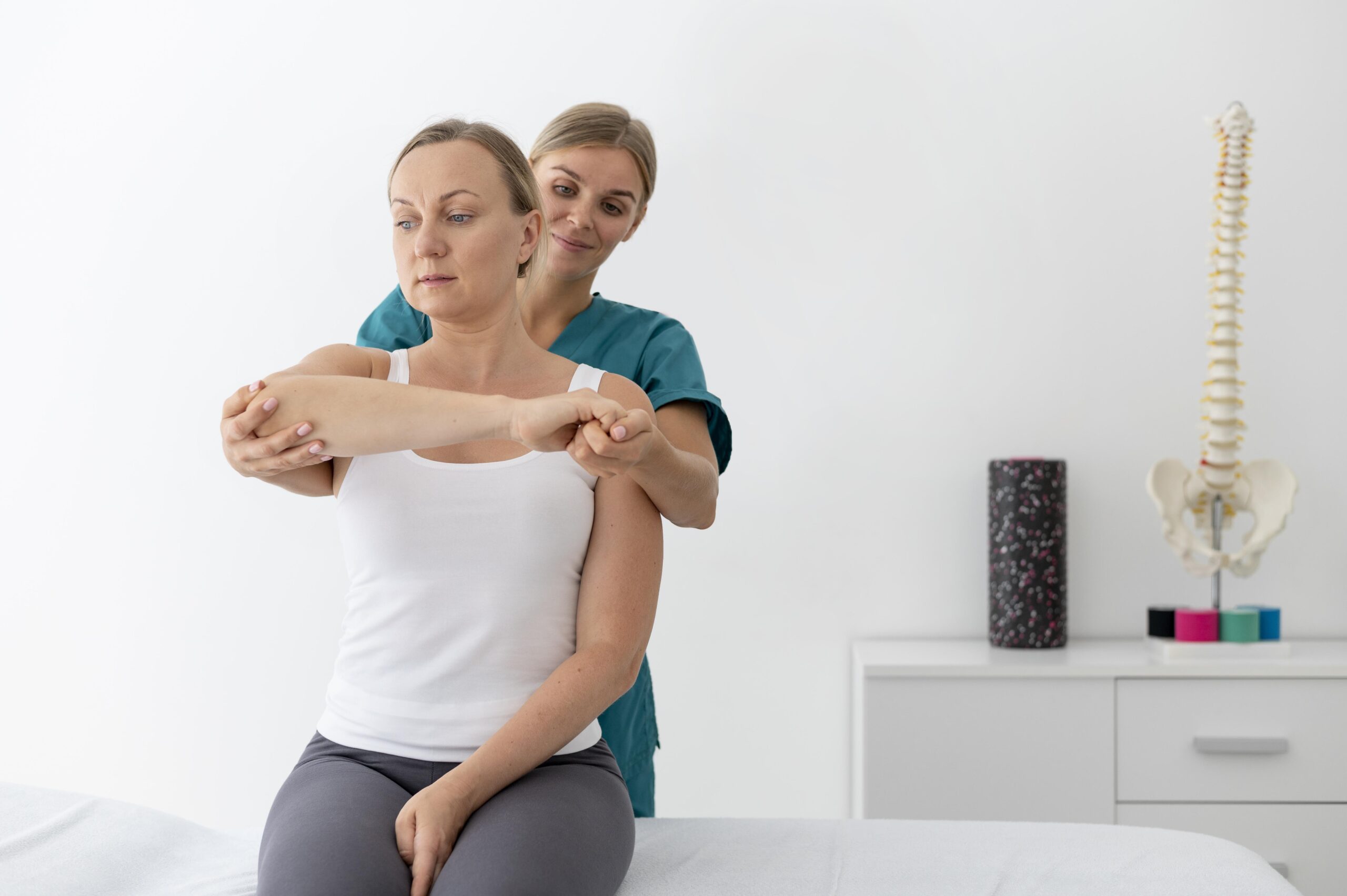
- Manual therapy and lumbar mobilisation – hands-on techniques that, combined with supervised exercise, improve pain, walking tolerance and daily function more than exercise sheets alone.
- Posture and movement retraining – practical strategies for standing, walking, prayer positions and household tasks that keep symptoms in check.
- Education and a walking plan – understanding your condition, pacing your activity, and progressively extending your pain-free distance.
What Our Clients Say
EXCELLENTTrustindex verifies that the original source of the review is Google. Meri neck k moro ka msla tha bht zada ma ne baht elaj krwaya but pain thk ni ho ri thi phr ma pmc ai yha ma kch sessions liye now I'm 💯 %recoverd totally recommendedPosted on GoogleTrustindex verifies that the original source of the review is Google. I had a knee and back problem. I have tried many steroid injections but it didn't work. Then I visited PMC and got my treatment. I am very satisfied with their services as within few weeks I got better. All doctors are very cooperative. Dr maimoona treated me soo well. Highly satisfied.Posted on GoogleTrustindex verifies that the original source of the review is Google. I highly recommend Dr. Aresha! I was suffering from severe cervical issues and intense pain but her professional approach and effective therapy sessions made huge difference. She listens carefully, explains the treatment plan, and provide comfort throughout the process. Thanks to her care, my pain has reduced significantly.❤️Posted on GoogleTrustindex verifies that the original source of the review is Google. To be honest they are dealing with best treatment I am curing day by day and Allhamdullillah more power to Dr Waqar Ali and Staff plzz don't waste your time by using such heavy medications they are best. Shukria.Posted on GoogleTrustindex verifies that the original source of the review is Google. I have a pain in my back and neck from few months bht med li ma ne but relief ni a ra tha phr ma pmc ai yha ma ne kch sessions liye ab ma kafi better hn Alhmdulillah and my doctor is so cooperative must visit to Dr Ayesha she is so professional totally recommendedPosted on GoogleTrustindex verifies that the original source of the review is Google. Good behavior good guidelines good Dr mashAllahPosted on GoogleTrustindex verifies that the original source of the review is Google. Mujhe knee pain tha to mein ny Hahn se treatment karvata to Mein full recovery hoe hao PMC clinic se
Self-Help Tips for Living with Lumbar Stenosis
01
Keep walking, in short bouts. Frequent 5–10 minute walks with rest breaks beat one long painful push.
02
Use a cycle. The forward-leaning position opens the canal, so most stenosis patients tolerate cycling well.
03
When symptoms flare while standing, sit or lean forward briefly – it is decompressing the nerves, not weakness.
04
Avoid prolonged standing in a swayback posture; a small footstool under one foot helps at the kitchen counter or during work.
05
Keep your weight in a healthy range – extra load narrows your walking window.
06
Do your home exercises consistently; the muscles you build are what carry you between sessions.
Book Your Lumbar Stenosis Assessment in Lahore or Rawalpindi
If your world has been shrinking to the distance you can walk without pain, it is time to act – and surgery is not the only road back. Lahore: +92-320-7177607 Rawalpindi: +92-312-0796089