
Heel Pain Treatment for Plantar Fasciitis in Lahore
Plantar fasciitis is the most common cause of heel pain – a sharp, stabbing pain under the heel that is worst with your first steps in the morning and after sitting. It is very treatable: over 75% of patients recover fully with conservative care, and clinical guidelines rank stretching, strengthening and hands-on physiotherapy as the core evidence-based treatment. At PMC – Pain Management Clinic by Dr. Waqar Ali, our plantar fasciitis treatment in Lahore and Rawalpindi targets the cause of your heel pain, not just the symptom, so you can walk, work and pray without wincing at every step.
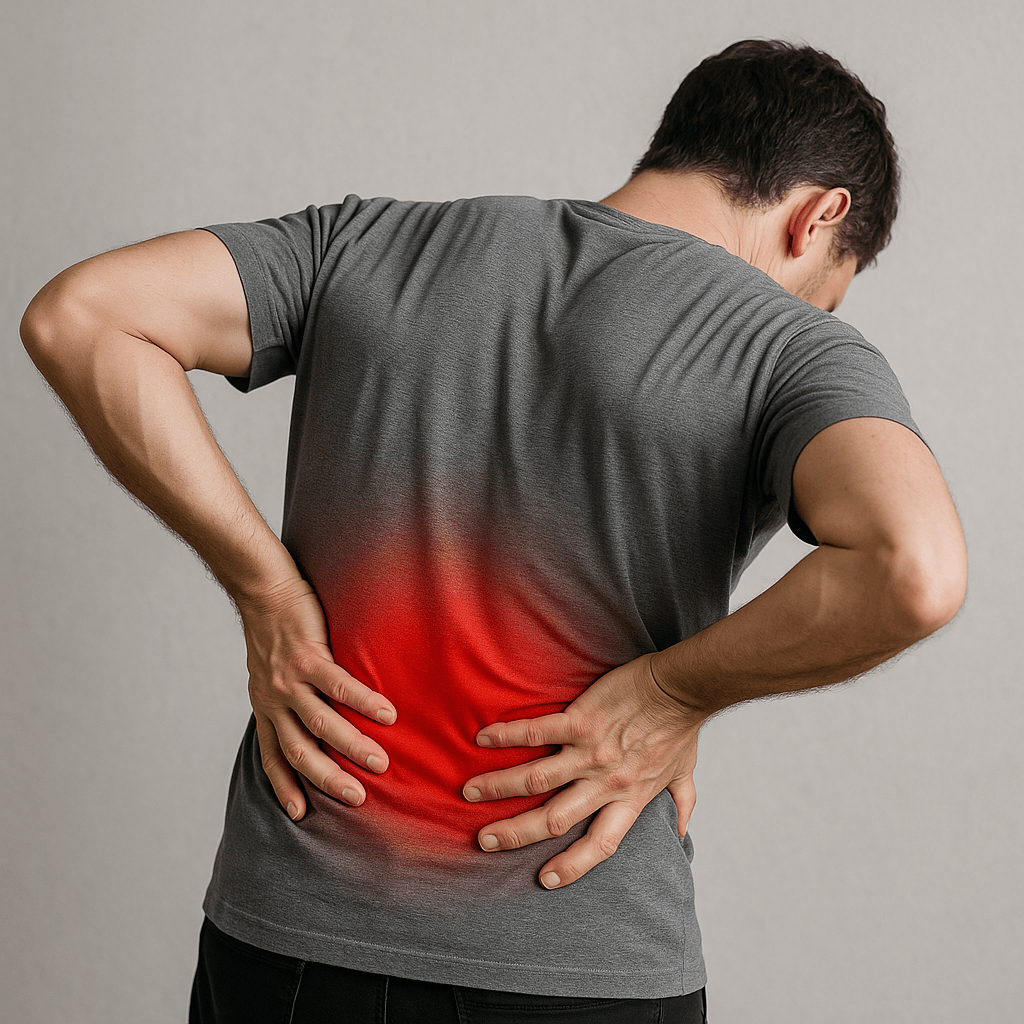
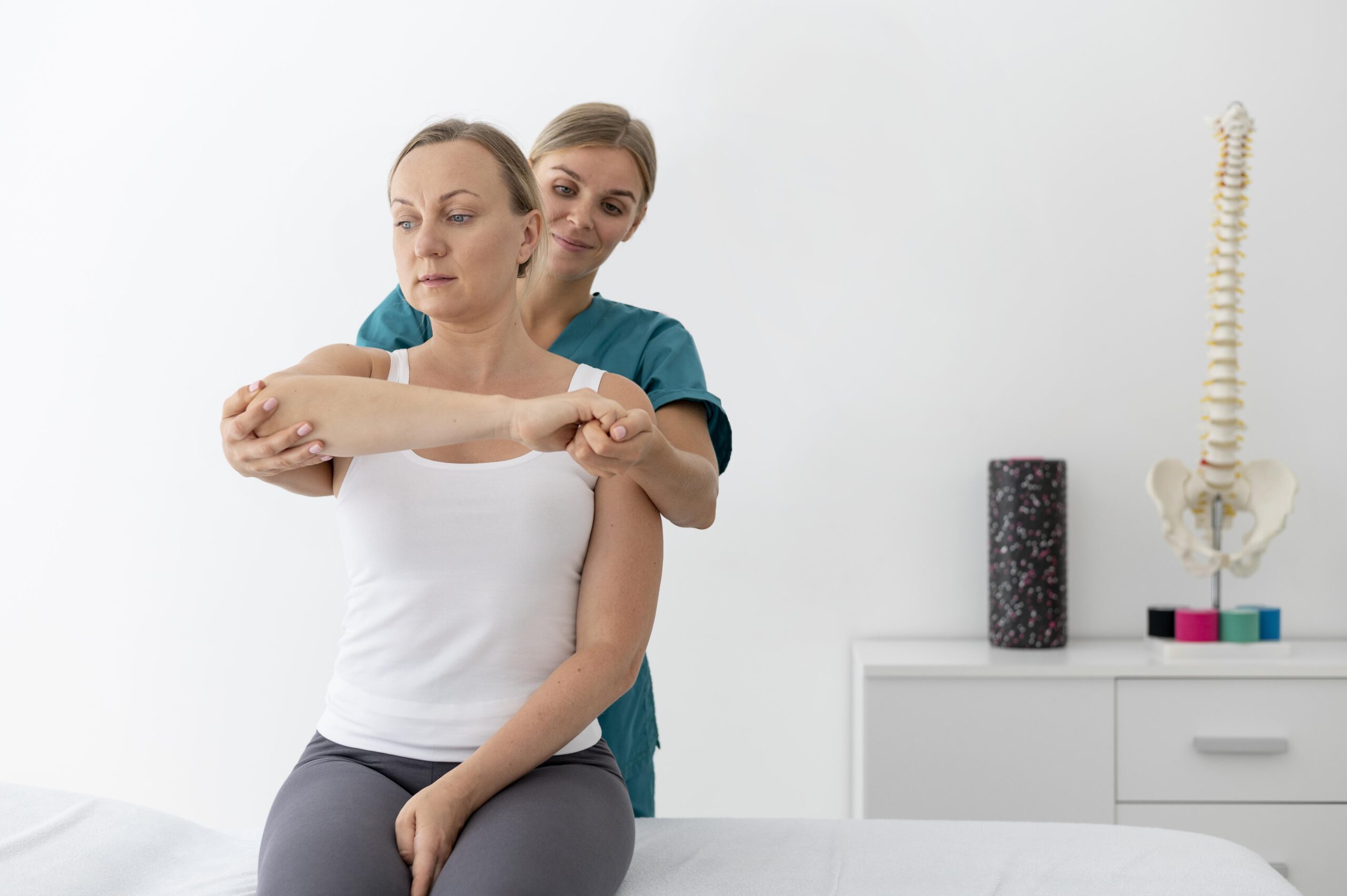
What Is Plantar Fasciitis?
The plantar fascia is a thick band of tissue running along the sole of your foot, connecting your heel bone to your toes and supporting your arch with every step. Plantar fasciitis develops when repetitive strain overloads this band at its attachment to the heel, causing micro-damage and irritation. Despite the name, research shows it is more a degenerative overload problem than pure inflammation, which is why rest alone rarely fixes it – the tissue needs progressive strengthening to recover.
Plantar fasciitis accounts for around 80% of heel pain cases and affects roughly 4–7% of people, most commonly between 40 and 60. It strikes runners and athletes, but just as often people who stand all day at work, walk on hard floors, or have recently gained weight or changed footwear.
What Are the Symptoms of Plantar Fasciitis?
- Sharp, stabbing pain under the heel, sometimes spreading into the arch
- Pain at its worst with the first steps after waking, easing as you warm up
- Pain returning after sitting for a while, or after (not usually during) exercise
- Tenderness when pressing the inside edge of the heel
- Stiffness in the foot and calf, especially in the morning
- Pain that worsens after long periods of standing or walking barefoot on hard floors
Worth checking: burning pain, tingling or numbness in the foot, night pain, or pain that does not follow this pattern can point to nerve entrapment, a stress fracture or other causes – part of why a proper assessment matters before starting treatment.
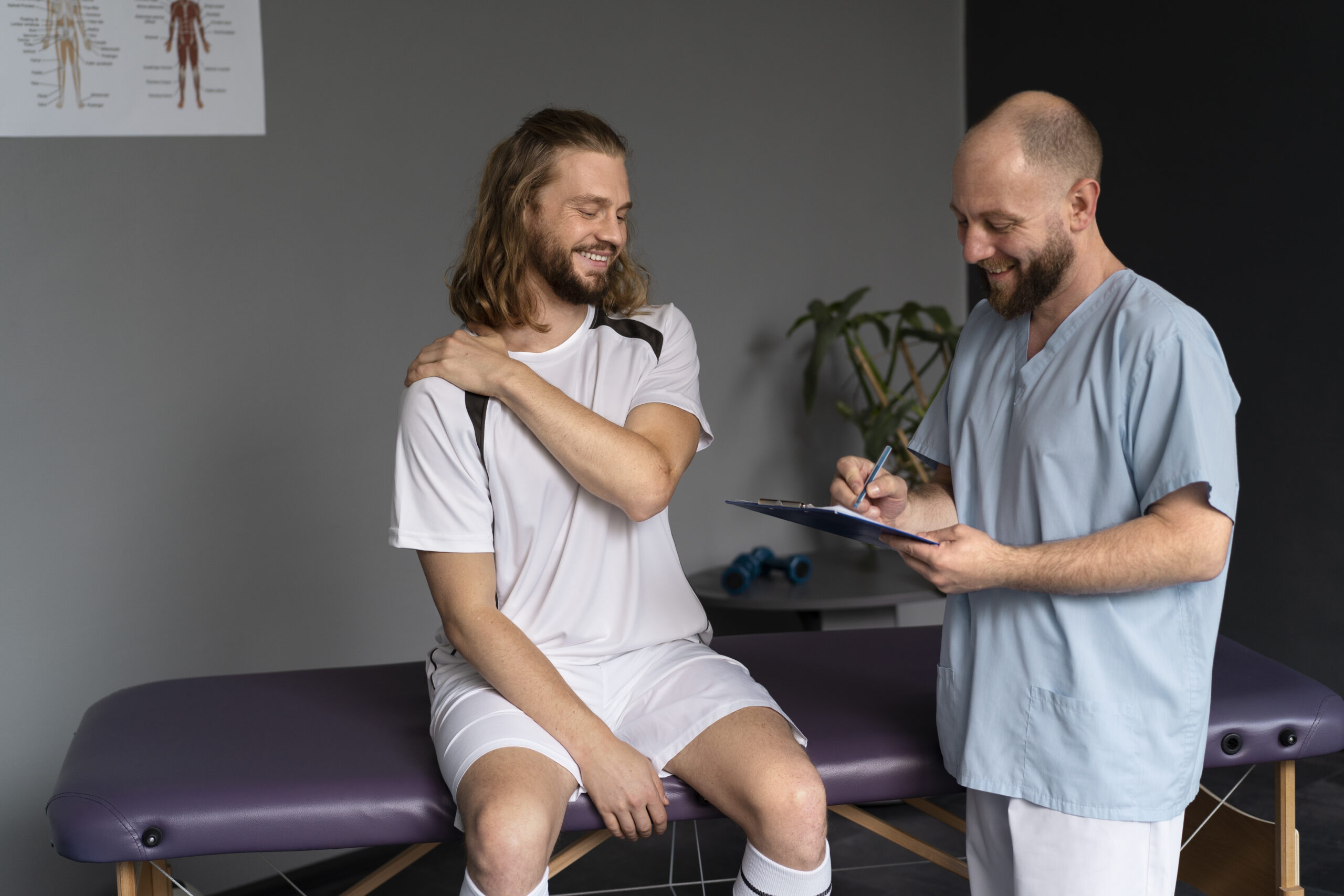
How Do We Treat Plantar Fasciitis at PMC?
Our approach follows international clinical practice guidelines for heel pain, which strongly recommend an active, physiotherapy-led programme:
- Plantar fascia-specific stretching – targeted stretches with strong evidence for short- and long-term pain relief.
- Calf stretching (gastrocnemius and soleus) – releasing the tight calf complex that drags on the heel with every step.
- Progressive strengthening – guideline-recommended resistance training for the foot and calf muscles, gradually re-loading the fascia so it tolerates daily life again.
- Manual therapy and soft-tissue mobilisation – hands-on treatment of the plantar fascia, calf and ankle joints to reduce pain and restore mobility.
- Taping and footwear advice – supportive taping for rapid relief, plus practical guidance on shoes, insoles and heel cushioning suited to your foot.
- Load and activity management – correcting the training errors or daily habits that overloaded the fascia in the first place.
- Night splints where appropriate – keeping the fascia gently lengthened overnight to blunt those first-step mornings.
What Our Clients Say
EXCELLENT Based on 179 reviews
 Posted on Google

 Farzana aslamI had knee pain and ankle pain from past 3 to 4 years. I am feeling much better now . Had a great experience . Dr maimoona treated me so well. Alhumdulilal feeling much better from day one to now . Highly recomemdedPosted on Google
 Asghar AliVery good doctor,ma sialkot sy kamar dard kay sath aya tha , mera 5 saal sy masla tha , pmc mn mera bohat Acha elaj hua hay. Ab ma bht behtr mehsos kr rha hon ma ny sirf 4 sessions liye hain.Posted on Google
 Asmat SharifI was suffering from extreme pain in back disc bulge and cervical pain. I visited various physiotherapy centres from 5 years but there was no relief. Then I visited PMC. I took sessions and I am pain Free. DR. BUSHRA treated me she is highly professional and cooperative. I am 100 Percent satisfied highly recommendedPosted on Google
 Mrs. NOUMANI was suffering from cervical and hip pain from almost 1 month. I visited pmc and took sessions. Now i am feeling much better. Dr hira is very nice and cooperative and environment is very supportive. Highly recommended!Posted on Google
 Zafar MirzaI visited PMC for my low back pain and numbness/tingling sensation in left foot. I found there excellent facilities, very cooperative and professional staff. I really appreciate treatment procedure especially dealing and professionalism of Dr Umer. He listened me carefully and satisfied me regarding my I queries. Thanks all stall. Highly recommend place for physiotherapy.Posted on Google
 Zaib NisaI have been visiting Pain Management Clinic for the past three days for my shoulder pain. My experience has been good so far. Dr. Maimoona has been very professional, attentive, and supportive throughout the treatment.After the treatment, I am feeling much better, and my shoulder pain has significantly improved. I am really satisfied with the overall experience. Highly recommended!Posted on Google
 Aini munirMain Rawalakot Azad Kashmir se specially PMC Lahore apne sciatica ke ilaj ke liye aya tha. Mujhe pichle 3 saal se is dard ki takleef thi. Alhamdulillah Dr Umar se 18 physio sessions karwane ke baad ab mera dard almost khatam ho gaya hai aur main kaafi behtar feel kar raha hoon. Dr Umar bohat ache aur cooperative doctor hain, har cheez ache se samjhate hain aur patient ko proper time dete hain. Main inke treatment se bohat satisfied hoon. Allah inko mazeed kamyabi de. Dr Umar aur PMC team ka bohat shukriya ❤️Posted on Google
 Kousar ShaheenMje shoulder r legs ma pain thi kafi arsey se ma ne but treatment krwaya bht medicin li but pain thi hi ni hoti thi phr ma yha PMC ma ai yha se ma ne 4 sessions liye hain r ab ma 80% thk ho gai hn AlhmdulillahPosted on Google
 Rashid Amin All ActivitiesMean back pain ky sath aya tha in ky pass or mein ny in se sessions liye or mein behtr ho gaya 100% recommended
Plantar fasciitis exercises and self-help tips
Stretch before your first steps: pull your toes back and stretch the sole for 30 seconds before getting out of bed.
Roll your foot over a frozen water bottle for 5–10 minutes after long days on your feet.
Wear supportive, cushioned shoes – even at home. Avoid walking barefoot on marble or tile floors.
Break up long standing periods; shift weight and sit when you can.
Increase walking or running gradually – no more than about 10% per week.
If you carry extra weight, gradual weight loss meaningfully reduces the load on your heels.
Related treatments at PMC: sports physiotherapy · osteoarthritis treatment · joint pain treatment. Visit us at PMC Lahore in Johar Town or our pain clinic Rawalpindi.
Book Your Plantar Fasciitis Assessment in Lahore or Rawalpindi
Heel pain that has settled in for weeks rarely leaves on its own timetable – and the longer you wait, the longer recovery takes. Lahore: +92-320-7177607 Rawalpindi: +92-312-0796089